Commercial sidewalk trip hazards, fixed for good.
The short answer
A trip hazard is a walk slab that has lifted, settled or broken so one edge sits higher than the next. Grinding or lifting can fix a small offset on sound concrete; a cracked, spalled or badly settled slab has to be replaced. Lemus walks the property, photographs and measures each one, and tells you which is which in a dated report.
- Troy's trip step
- An offset of 3/4" or more
- Royal Oak grinding
- 1" or less, once, at an 8% slope
- Settled slab, Troy
- Over 1 1/2" and holding water
- Replace when
- Cracked, shattered or badly spalled
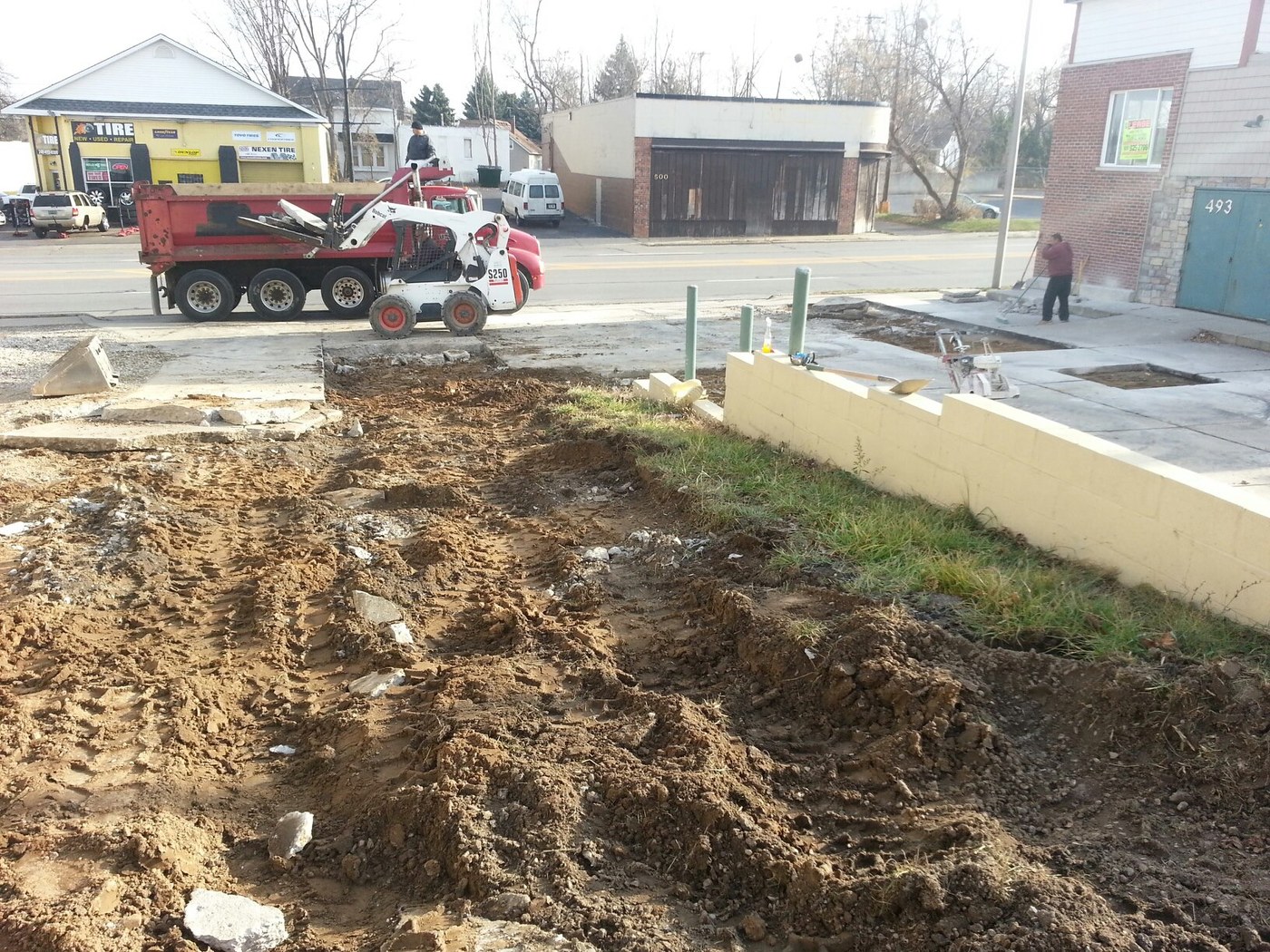
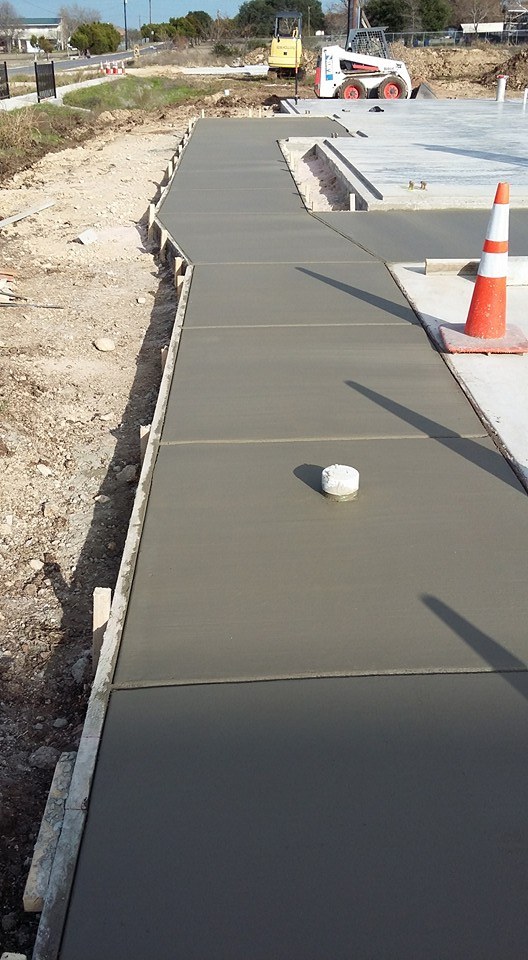
Photos are Lemus's own commercial jobs. Swap in a photo of this exact work from the first job of its kind.
How much of a height difference counts as a trip hazard?
Cities write it down. Troy marks a slab for replacement when one edge has an offset of 3/4 inch or more, when it has two or more cracks or cracks that have begun to separate, when 25 percent or more of its surface has deteriorated, or when it has settled more than 1 1/2 inches and holds water.
Grind it, lift it or replace it?
Grinding shaves the high edge down to a ramp. Royal Oak allows it only for offsets of 1 inch or less, only once on a slab, and at an 8 percent slope: a half-inch step has to be ground six inches back. Troy permits leveling, injecting under the slab to raise it, only if the concrete is not cracked, shattered or severely spalled.
Past those limits the slab comes out and a new one goes in. When we checked on Oct 18 2026, the search for sidewalk trip hazard repair in Michigan was led by grinding, lifting and leveling companies and a lawyer's page. Lemus pours concrete, so the report tells you honestly when a slab only needs a grind and when it needs replacing.
Who is responsible for a trip hazard on a commercial walk?
On the public walk along the street, the city's code usually puts it on the owner of the land beside it. Royal Oak's City Code 650-5 makes the adjacent owner keep it in repair, and liable to the city for damages recovered against the city over an unsafe walk. Walks inside the lot are the owner's outright. For a legal question about a claim, ask your attorney or insurer; for the concrete, ask us.
On the walk
Every trip hazard on the property, photographed and put in a bucket.
- Fix now
- This year
- Budget for next year
Questions
Trip hazards: questions managers ask.
Can you survey every walk on a property?
Yes. The lot walk covers every walk and approach, and each trip hazard gets a photo, a measurement and a bucket: fix now, this year, or budget for next year.
We got a city notice for the public walk. Can you do it?
In Troy, Royal Oak, Ferndale and Macomb Township the owner may hire their own contractor. Each has its own permit and deadline: see the sidewalk notice pages.
How fast can a trip hazard be fixed?
Turnaround on a single-slab safety repair: owner to confirm. One store owner wrote that Rico and Oscar came out the same evening he called and quoted the next day.
The rest of the lot
All commercial workFree lot walk · Dated photo report
Every trip hazard on the lot, in one report.
One property, one walk, one report you can forward to the owner: a photo of each problem, sorted into fix now, this year, and budget for next year.