Concrete for plants, campuses, churches and schools.
The short answer
For facilities and maintenance managers at owner-occupied sites: Lemus Concrete replaces dock aprons, truck pads, curbs, ramps and walks that carry trucks and forklifts every day. Trucking terminals, tank supply foundations and industrial flatwork have been part of their work for over 20 years.
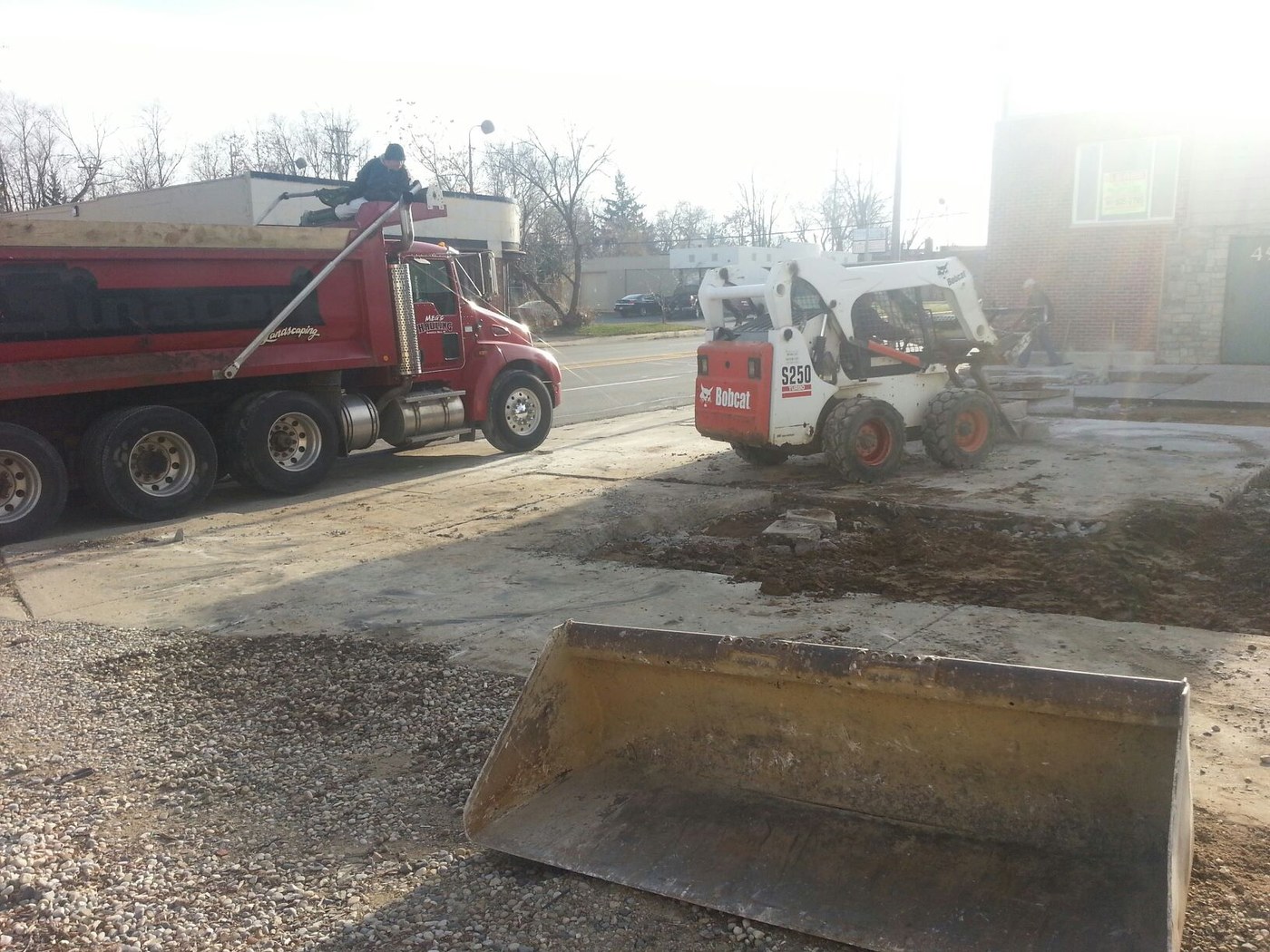
What does a facilities manager need from a concrete contractor?
Concrete that takes the loads the site actually carries, work scheduled around the people who use it, and one contractor to call every year. A manufacturing plant, a medical campus, a church and a school have one thing in common: the lot cannot simply close.
What usually needs attention first?
Where the heaviest traffic turns: dock aprons and truck pads at a plant, the drop-off loop and the accessible ramps at a campus or a school, the approaches and walks everywhere after a winter of salt and plows.
Send the vendor form
The packet goes back with it.
Email the form or ask for the certificate of insurance and W-9; the walk can be booked the same day.
Spec sheet
What to ask any contractor
The questions a facilities manager asks before a site goes into the schedule.
3 of 7 lines wait on the owner. They show as notes until Lemus confirms them.
Questions
For facilities managers: questions.
Can you pour a dock apron without shutting every door?
The report splits the apron into sections so doors can be taken one at a time. Scheduling around shifts: owner to confirm.
Do you work for churches and schools?
Yes, any owner-occupied site. Ramps, drop-off loops, walks and lots are the usual list.
Can you excavate and fix the base?
Yes. Demolition and excavation are on Lemus's service list, and the base is set before anything is poured.
The problems we walk for
All commercial workFree lot walk · Dated photo report
Put Lemus on the next walk.
One property, one walk, one report you can forward to the owner: a photo of each problem, sorted into fix now, this year, and budget for next year.